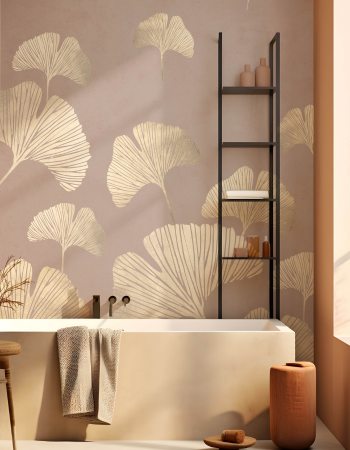
Does peel and stick wallpaper damage walls? Not usually, when applied to suitable, well-prepared walls and removed correctly. However, it can peel off paint, leave adhesive residue, or damage weak surfaces. The risk depends on the wall's condition, paint curing time, adhesive strength, moisture levels, and removal technique. Testing a small area before installation is the safest starting point.
Peel and stick wallpaper is popular because it makes room makeovers convenient without traditional wallpaper paste. But before decorating a bedroom, living room, or rental apartment, it is worth understanding what happens to the wall underneath.
This guide explains when self-adhesive wallpaper can cause damage, which walls are suitable, and how to remove it while minimising the risk of peeling paint.
What Is Peel and Stick Wallpaper, and How Does It Work?
Peel and stick wallpaper, also called self-adhesive wallpaper, is a decorative wall covering with an adhesive backing. Instead of applying separate wallpaper paste, you remove the protective liner and position the wallpaper directly on a compatible wall.
It offers several practical advantages:
- No separate wallpaper paste is generally required.
- Installation can be simpler than traditional wallpaper.
- Certain products can be repositioned during application.
- Removable options make future design changes more convenient.
- A wide range of designs can complement bedrooms, living rooms, and feature walls.
However, not every self-adhesive wallpaper has identical removal properties. The adhesive formulation, wall preparation, and manufacturer's instructions all affect the result.
If you are exploring decorative wallpaper for walls in India, Space of Joy offers different wallpaper materials and designs for residential interiors. Always confirm the material option before ordering, particularly when easy removal is a priority.
What Causes Peel and Stick Wallpaper to Damage Walls?
Wall damage is usually associated with unsuitable surfaces, weak paint adhesion, or incorrect removal rather than the decorative pattern itself.
1. Applying Wallpaper on Freshly Painted Walls
Fresh paint may feel dry while still undergoing its full curing process.
Applying self-adhesive wallpaper too early can create problems because the paint may not have developed its final strength.
When the wallpaper is removed, the paint coating may lift along with the adhesive.
How to prevent it: Wait until the paint has fully cured according to the paint and wallpaper manufacturers' recommendations. Some products recommend waiting approximately 30 days, but the required period varies.
2. Applying Wallpaper on Damaged or Flaking Paint
Peel and stick wallpaper needs a stable surface.
If the existing paint is already cracking, flaking, or separating from the wall, the wallpaper may pull loose paint away during removal.
This is particularly important in older Indian homes where walls may have multiple paint layers or previous patch repairs.
How to prevent it: Repair damaged areas, prepare the surface correctly, and make sure the paint is firmly bonded before installing wallpaper.
3. Installing Wallpaper on Damp Walls
Moisture is one of the most important factors to consider before wallpaper installation.
Dampness caused by water seepage, leaking pipes, or condensation may weaken paint adhesion and interfere with wallpaper bonding.
Covering a damp wall with wallpaper does not solve the underlying moisture problem.
How to prevent it: Identify and repair the source of dampness before installation. Allow the wall to dry fully and follow the manufacturer's preparation guidance.
4. Using Wallpaper on an Unsuitable Surface
Peel and stick wallpaper generally performs better on smooth, clean, stable surfaces.
It may not adhere or release predictably from unfinished plaster, dusty walls, poorly bonded paint, or rough surfaces.
How to prevent it: Check surface compatibility and test the selected wallpaper on a small, inconspicuous section of the wall.
5. Pulling Wallpaper Off Too Quickly
Even wallpaper designed to be removable can damage paint if it is pulled away aggressively.
Fast pulling creates unnecessary stress on the paint film, especially around previously repaired or weakened areas.
How to prevent it: Remove wallpaper slowly at a shallow angle and stop immediately if the paint begins to lift.
Does Peel and Stick Wallpaper Damage Paint?
Peel and stick wallpaper can damage paint, but it does not always do so. On clean, stable, fully cured painted walls, removable wallpaper is generally less likely to cause problems. Paint damage is more likely when the surface is weak, freshly painted, damp, or improperly prepared.
The type and condition of the paint matter as much as the wallpaper itself.
Which Painted Walls Are More Suitable?
|
Wall condition
|
Risk of damage
|
Recommendation
|
|
Smooth, fully cured, well-bonded paint
|
Generally lower
|
Conduct a test before installation
|
|
Freshly painted wall
|
Higher
|
Wait for full curing
|
|
Flaking or peeling paint
|
High
|
Repair before applying
|
|
Damp or water-damaged wall
|
High
|
Resolve moisture problems first
|
|
Unpainted or poorly prepared plaster
|
Unpredictable
|
Seek product-specific preparation advice
|
|
Previously repaired wall
|
Variable
|
Check repair strength and perform a test
|
These are general risk assessments, not guarantees. Actual performance depends on the wallpaper adhesive and wall construction.
How to Remove Peel and Stick Wallpaper Without Damaging Paint
Removing peel and stick wallpaper carefully is one of the best ways to protect your wall.
Follow these steps to reduce the risk of damage.
Step 1: Inspect the Wall Before Removal
Look for existing cracks, bubbling paint, damp patches, or areas where the wall surface appears weak.
Begin at a small corner rather than pulling down an entire wallpaper panel immediately.
Step 2: Lift One Corner Gently
Use your fingernail to lift a corner of the wallpaper.
Avoid sharp metal scrapers that could scratch the paint or underlying plaster.
Step 3: Peel Slowly at a Shallow Angle
Keep the wallpaper close to the wall as you pull it back slowly.
Work across the panel in manageable sections, maintaining steady and gentle pressure.
If the paint begins lifting, stop instead of forcing the wallpaper off.
Step 4: Use Gentle Warmth Only if Recommended
For some wallpaper products, mild warmth from a hair dryer can help soften the adhesive.
However, excessive heat can damage paint, wallpaper, or nearby fixtures.
Use warmth only when the wallpaper manufacturer's instructions permit it. Keep the dryer moving, avoid overheating, and test a small section first.
Step 5: Check for Adhesive Residue
After removal, inspect the wall for any sticky residue.
Use only cleaning methods compatible with both the paint and wallpaper manufacturer's instructions. Test any cleaning solution in a hidden area first.
Avoid abrasive scrubbing, excessive water, or strong solvents.
Step 6: Allow the Wall to Settle Before Redecorating
Once the wallpaper has been removed, check whether the paint needs cleaning, touch-ups, or repairs.
If you plan to repaint, repair any damaged areas and follow the paint manufacturer's preparation instructions.
Important: No removal method can guarantee zero damage, especially when the underlying paint or plaster is weak.
For more information about installation, explore Space of Joy's guide on the application and removal of peel and stick wallpaper.
How Can You Prevent Wall Damage Before Installing Wallpaper?
Preventing wallpaper-related damage begins long before installation.
Use this simple checklist:
-
Inspect the paint: Make sure it is stable, without peeling or cracks.
-
Check for moisture: Never cover an unresolved dampness problem.
-
Allow paint to cure: Follow the paint manufacturer's recommended curing period.
-
Clean the surface: Remove dust and dirt using an approved method.
-
Confirm compatibility: Check whether your selected wallpaper is suitable for the existing paint finish.
-
Test a small sample: Apply a sample in an inconspicuous area and assess how it behaves during removal.
-
Follow installation instructions: Do not substitute additional adhesive unless specifically recommended.
-
Keep removal instructions: The correct removal process may differ between materials.
Taking these precautions can reduce the likelihood of damaged paint, loose adhesive, and difficult removal.
Is Peel and Stick Wallpaper Suitable for Indian Homes?
Yes, peel and stick wallpaper can be suitable for Indian homes when the chosen product is compatible with the wall surface and the surrounding conditions.
However, local conditions deserve attention.
Humidity During Monsoon
In humid cities and coastal areas, walls may be exposed to condensation or water seepage. Wallpaper should not be installed over unresolved dampness.
Recently Painted Apartments
Newly painted homes and renovated apartments need sufficient paint curing time before adhesive wallpaper is applied.
Rental Apartments
Removable wallpaper may be convenient for rental properties, but tenants should confirm landlord permissions and understand that removal could still affect the existing paint.
Rooms With Direct Sunlight
Excessive heat and direct sunlight can affect certain wallpaper adhesives or materials. Check the product's recommended installation environment.
For decorating dry, well-prepared interiors, explore living room wallpaper designs that suit different layouts and interior styles.
Peel and Stick Wallpaper vs Traditional Wallpaper: Which Is Easier to Remove?
Both wallpaper types can be removed, but their installation and removal methods differ.
|
Feature
|
Peel and stick wallpaper
|
Traditional paste-applied wallpaper
|
|
Application
|
Built-in adhesive backing
|
Separate paste or adhesive
|
|
Installation
|
Often suitable for DIY installation
|
May require professional assistance
|
|
Removal
|
Product-dependent peeling method
|
Depends on wallpaper material and adhesive
|
|
Paint damage risk
|
Possible on weak surfaces
|
Possible during stripping
|
|
Repositioning
|
Available with certain products
|
Depends on material and paste
|
|
Wall preparation
|
Essential
|
Essential
|
Neither wallpaper type is universally damage-free.
If you plan to redecorate frequently, ask about removable materials and their tested surface compatibility before purchasing.
How to Choose the Right Wallpaper Without Compromising Your Walls
The ideal wallpaper should complement your room while being appropriate for the wall's condition.
Start with the surface and material rather than choosing solely by colour or design.
Once compatibility is confirmed, explore patterns that fit the room.
For example, floral artwork can create an elegant statement wall, while botanical prints bring a softer visual character to a modern living room.
You can explore Space of Joy's latest wallpaper designs for decorative inspiration.
For longer-term maintenance, read the guide to wallpaper care and maintenance.
Frequently Asked Questions
1. Does peel and stick wallpaper ruin walls when removed?
Not necessarily. Removable wallpaper is designed for easier removal, but weak paint, dampness, unsuitable surfaces, and aggressive peeling can still cause damage. Always test a small section first.
2. Can peel and stick wallpaper remove paint from walls?
Yes. Paint can lift during wallpaper removal, especially if it has not fully cured or is poorly bonded to the surface. Removing wallpaper gently helps reduce the risk.
3. Is peel and stick wallpaper safe for rental apartments?
It may be suitable for rental apartments with compatible, well-maintained painted walls. However, it is not guaranteed to be damage-free. Confirm landlord permission and test the product before covering a large area.
4. Can I apply peel and stick wallpaper on newly painted walls?
Only after the paint has fully cured and the wallpaper manufacturer confirms compatibility. Paint that feels dry may still need additional curing time.
5. How do I remove peel and stick wallpaper without peeling paint?
Lift a corner carefully and peel the wallpaper back slowly at a shallow angle. If the adhesive resists or paint begins lifting, stop and follow the product's recommended removal instructions.
6. Can peel and stick wallpaper be reused after removal?
Some products can be repositioned or reused, but others are intended for single installation. Reusability depends on adhesive condition, dust contamination, and manufacturer guidance.
7. Can peel and stick wallpaper be applied on damp walls?
No. Existing water seepage or dampness should be resolved before applying wallpaper. Covering a damp wall may cause adhesion problems and conceal further deterioration.
Conclusion: Does Peel and Stick Wallpaper Damage Walls?
Peel and stick wallpaper does not automatically damage walls. On suitable, clean, dry, and fully cured painted surfaces, it can provide a convenient way to update your interiors.
However, paint damage remains possible when walls are poorly prepared, already deteriorating, or exposed to moisture. The safest approach is to check the wall condition, choose a compatible material, conduct a sample test, and follow the recommended installation and removal process.
Planning a room makeover? Discover decorative wallpapers for walls in India at Space of Joy and choose a design and material suited to your home.
Explore Space of Joy's wallpaper collections and confirm the recommended material before ordering.